
Sleep Health and Overall Wellness Why Quality Rest Is Essential for the Body and Mind
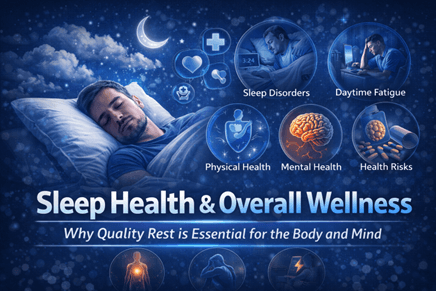
Sleep is not a luxury, it is a biological necessity. In today’s fast-paced world, late nights, screen exposure, and stressful routines have made quality sleep increasingly rare. Yet, sleep plays a critical role in maintaining both physical health and mental well-being.
In this blog, we explore why sleep health matters, how poor sleep affects the body and mind, common sleep disorders, and practical ways to improve sleep quality, all in a clear, human, and SEO-friendly format.
What Is Sleep Health?
Sleep health refers to the quality, duration, and consistency of sleep that allows the body and brain to function optimally.
Good sleep health includes:
- 7–9 hours of sleep for most adults
- Falling asleep within a reasonable time
- Minimal nighttime disturbances
- Waking up feeling refreshed and alert
Sleep is when the body repairs, restores, and resets.
Why Sleep Is Essential for the Body
1. Physical Restoration and Repair
During sleep, the body:
- Repairs tissues and muscles
- Strengthens the immune system
- Regulates hormones
- Supports healthy growth and cell regeneration
Chronic sleep deprivation weakens immunity and slows recovery.
2. Heart Health
Quality sleep helps regulate:
- Blood pressure
- Heart rate
- Inflammation levels
Poor sleep increases the risk of heart disease, hypertension, and stroke.
3. Metabolism and Weight Management
Sleep influences hunger hormones such as leptin and ghrelin. Inadequate sleep can:
- Increase cravings for sugary foods
- Slow metabolism
- Contribute to weight gain and obesity
Why Sleep Is Essential for the Mind
1. Cognitive Function and Focus
Sleep improves:
- Memory consolidation
- Learning ability
- Concentration
- Decision-making skills
Lack of sleep reduces productivity and mental clarity.
2. Emotional Regulation
Sleep plays a vital role in managing emotions. Poor sleep is strongly linked to:
- Irritability
- Anxiety
- Depression
- Mood swings
Consistent rest supports emotional resilience.
3. Stress Reduction
Quality sleep lowers cortisol (stress hormone) levels and helps the brain process daily experiences effectively.
Common Sleep Disorders
Insomnia
- Difficulty falling or staying asleep
- Often linked to stress or anxiety
Sleep Apnea
- Interrupted breathing during sleep
- Associated with snoring and daytime fatigue
Restless Leg Syndrome
- Uncomfortable leg sensations at night
- Disrupts continuous sleep
Circadian Rhythm Disorders
- Disrupted internal body clock
- Common in shift workers
Early diagnosis and treatment improve long-term health outcomes.
Consequences of Poor Sleep
Long-term sleep deprivation can lead to:
- Increased risk of diabetes
- Heart disease
- Weakened immunity
- Mental health disorders
- Reduced work performance
- Higher accident risk
Sleep deficiency affects nearly every system in the body.
How to Improve Sleep Quality
Maintain a Consistent Sleep Schedule
- Go to bed and wake up at the same time daily
Limit Screen Time Before Bed
- Avoid blue light exposure at least 1 hour before sleep
Create a Sleep-Friendly Environment
- Dark, quiet, and cool bedroom
- Comfortable mattress and pillows
Manage Stress
- Practice relaxation techniques
- Meditation or deep breathing
Avoid Stimulants at Night
- Reduce caffeine intake
- Limit heavy meals before bedtime
Stay Physically Active
- Regular exercise promotes deeper sleep
The Link Between Sleep and Preventive Healthcare
Modern healthcare increasingly recognizes sleep as a preventive health pillar. Wearable devices and sleep tracking technologies now help individuals monitor:
- Sleep cycles
- Heart rate variability
- Breathing patterns
Proactive sleep management supports long-term wellness.
Final Thoughts
Sleep is foundational to overall wellness. It strengthens the body, sharpens the mind, and stabilizes emotions. Prioritizing quality rest is not just about feeling less tired, it is about protecting long-term health.
In a world that glorifies productivity, choosing sleep is choosing sustainability.
Rest well today to live better tomorrow.
