
Hormonal Health The Hidden Controller of Body Balance
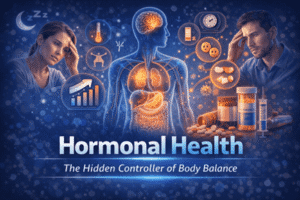
Hormones silently regulate almost every function in the human body. From metabolism and mood to sleep and reproductive health, these chemical messengers work behind the scenes to maintain balance. Yet, hormonal health is often overlooked until symptoms begin to disrupt daily life.
In this blog, we explore what hormonal health means, why it matters, common signs of imbalance, key hormones to understand, and practical ways to restore balance, presented in a clear, human, and SEO-friendly structure.
What Is Hormonal Health?
Hormonal health refers to the proper functioning and balance of hormones produced by the endocrine system. These hormones travel through the bloodstream to regulate vital processes such as:
- Metabolism
- Growth and development
- Mood and emotional well-being
- Reproductive health
- Sleep cycles
- Appetite and energy levels
When hormones are balanced, the body functions smoothly. When they are not, multiple systems can be affected.
Why Hormonal Balance Is Important
Hormones act as the body’s communication system. Even small imbalances can trigger noticeable changes.
Balanced hormones support:
- Stable energy levels
- Healthy weight management
- Clear skin
- Emotional stability
- Regular menstrual cycles
- Strong immune response
Unchecked hormonal imbalances may increase the risk of chronic conditions such as diabetes, thyroid disorders, infertility, and metabolic syndrome.
Key Hormones That Influence Overall Health
1. Insulin
- Regulates blood sugar levels
- Supports energy production
- Imbalance may lead to diabetes
2. Thyroid Hormones (T3 & T4)
- Control metabolism
- Influence heart rate and body temperature
- Imbalance can cause weight changes, fatigue, or anxiety
3. Cortisol (Stress Hormone)
- Helps manage stress
- Regulates blood pressure and inflammation
- Chronic elevation may lead to fatigue and weakened immunity
4. Estrogen and Progesterone
- Regulate reproductive health in women
- Affect mood and bone density
- Imbalances may cause irregular cycles or menopausal symptoms
5. Testosterone
- Supports muscle mass and bone strength
- Influences mood and libido
- Imbalance affects both men and women
6. Melatonin
- Regulates the sleep-wake cycle
- Essential for quality sleep
Common Signs of Hormonal Imbalance
Hormonal issues often present as subtle, ongoing symptoms such as:
- Persistent fatigue
- Unexplained weight gain or loss
- Mood swings or irritability
- Sleep disturbances
- Hair thinning
- Acne or skin changes
- Irregular menstrual cycles
- Reduced concentration
If these symptoms persist, medical evaluation may be necessary.
Causes of Hormonal Imbalance
Modern lifestyles significantly impact hormonal health.
Chronic Stress
- Elevated cortisol levels
- Disrupted sleep patterns
Poor Diet
- High sugar intake
- Processed foods
- Nutritional deficiencies
Lack of Physical Activity
- Reduced metabolic efficiency
Poor Sleep Quality
- Disrupted melatonin production
Environmental Factors
- Exposure to endocrine-disrupting chemicals
Medical Conditions
- PCOS
- Thyroid disorders
- Diabetes
How to Support Hormonal Health Naturally
Maintain a Balanced Diet
- Include protein, healthy fats, and fiber
- Reduce processed sugar
- Ensure adequate micronutrients
Manage Stress Effectively
- Practice meditation or yoga
- Maintain work-life balance
Prioritize Sleep
- 7–9 hours of quality sleep
- Consistent sleep schedule
Exercise Regularly
- Strength training and moderate cardio
- Avoid overtraining
Regular Health Check-ups
- Thyroid profile
- Blood sugar monitoring
- Hormone level assessments when required
Hormonal Health Across Life Stages
Hormonal needs change over time:
- Adolescence: Puberty-related changes
- Reproductive years: Pregnancy and menstrual cycles
- Midlife: Perimenopause and menopause
- Aging: Metabolic and testosterone shifts
Understanding these transitions helps manage expectations and maintain balance.
The Role of Preventive Healthcare
Early detection and proactive care can prevent complications linked to hormonal imbalance. Healthcare providers now emphasize:
- Lifestyle-based interventions
- Personalized treatment plans
- Nutritional guidance
- Routine screenings
A preventive approach supports long-term hormonal stability.
Final Thoughts
Hormonal health is the hidden controller of body balance. When hormones are aligned, the body and mind function efficiently. When they are disrupted, multiple systems are affected.
Paying attention to subtle signs, adopting healthy lifestyle habits, and seeking timely medical advice can help restore and maintain hormonal balance.
True wellness begins with internal harmony.
Balance your hormones, balance your life.
